On this page
A red light camera ticket in California is issued under VC 21453 using an automated system that must follow VC 21455.5. Read the notice, check the due date, and review the photos. You can pay, ask for traffic school, or contest it.
How do red light camera tickets work?
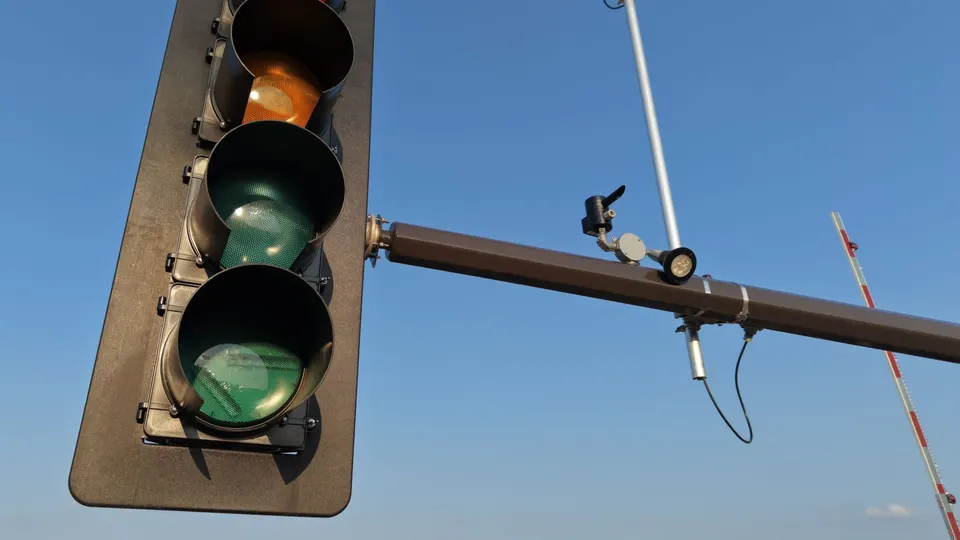
A red light camera ticket starts with a camera at an intersection, not an officer at the roadside. The violation is the same one an officer would cite: failing to stop at a steady red signal under VC 21453. What differs is the evidence and the delivery. The evidence is photographic, and the notice reaches you by mail.
Vehicle Code 21455.5 governs the camera systems. Some websites call this a Penal Code section. It is in the Vehicle Code.
What rules must a camera program follow?
The statute puts conditions on the agency before it can send a single citation.
- Public announcement. The agency must announce the camera program publicly before citations are issued.
- Evidence review. A registered owner, or a person the owner names, may review the photographic evidence.
Section 21455.5 does not give a number of days within which the notice must be mailed. The date on your notice is what matters to you.
Who gets the ticket?
The notice is mailed after the camera captures the violation. Under VC 40518, it is delivered by mail within 15 days of the alleged violation to the current address of the registered owner, and the court date is at least 10 days after delivery. Read the notice for its own instructions. They explain how to respond if you were not the driver.
How much is a camera ticket?
A camera ticket carries the same code section as an officer's red light ticket, so the same schedule applies. On the 2026 Judicial Council schedule, running a red light under 21453(a) or (c) has a base fine of $100 and a total bail of $467.90. A right turn under 21453(b) lists $226.16. Counties may set their own totals.
The camera statute does not mention DMV points. Ask your court, or check the notice. The red light ticket page covers the officer-ticket points, and the ticket cost calculator lists the red light rows.
What are your options?
You have three choices, and the due date on the notice limits all of them.
- Pay. Paying in full is a bail forfeiture: the conviction is reported and the chance to contest ends.
- Traffic school. Ask the court whether you are eligible. See traffic school or fighting the ticket.
- Contest. Ask for a trial, or contest in writing by trial by written declaration.
Read the whole notice before you pay anything. Note the due date and the court first, because every other step depends on them. Then compare the date, time and place on the notice with your own records, and find the instructions for reviewing the photographs. If the notice names a different driver option or a different way to respond, follow what it says. Paying early feels simple, but it ends your chance to contest.
Before you choose, run through this checklist on the notice.
| What to check | Why |
|---|---|
| The due date | It controls every option; missing it can lead to a failure to appear |
| The code section | It sets the amount: 21453(a), (b) or (c) |
| The date, time and location | They tell you whether the photos match your trip |
| How to review the photos | The statute gives the owner a right to review the evidence |
| How to respond if you were not the driver | The notice explains the steps; do not guess |
| The court named | It is where you pay, request school or file |
Frequently asked questions
Can I see the photos or video?
VC 21455.5 says a registered owner, or a person the owner names, may review the photographic evidence. The notice should explain how to ask for it. Request it before you decide to pay, because paying in full ends your chance to contest. Ask the court named on your notice if the instructions are unclear.
What if I was not the driver?
The notice explains how to respond, and its instructions are the place to start. This guide cannot tell you which steps apply to your situation. A lawyer can advise on it. Do not ignore the notice because someone else was driving, since an unanswered ticket can turn into a failure to appear.
Is a camera ticket different from an officer's ticket?
The charge is the same section, VC 21453, so the base amounts match the officer-ticket table. The difference is how the case reaches you: a camera system must follow VC 21455.5, including public notice, and the evidence is photographic. The notice comes by mail, not from a stop.
Do I have to respond to a mailed ticket?
Yes. A notice carries a due date, and the fine does not go away if you ignore it. Respond by the date printed on it by paying, requesting traffic school or contesting. Missing the date risks a failure to appear under VC 40508, which can be charged as a misdemeanor or an infraction.
Last reviewed · Reviewed by the California Ticket Guide editorial team